

How Interior Design Affects Mental Well-being: Creating Spaces for Positive Impact
Share this:
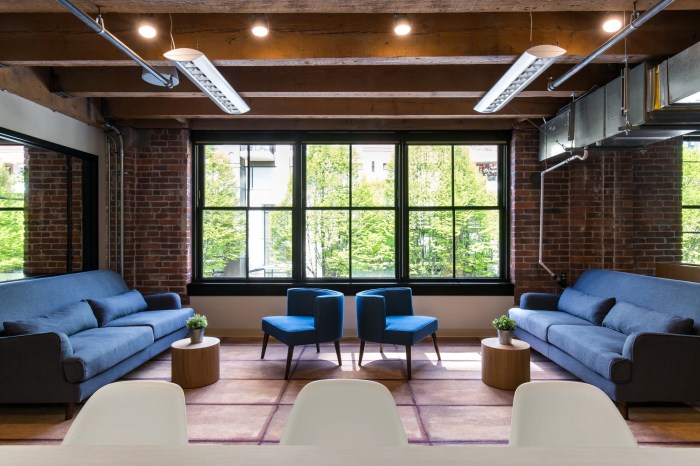
Exploring the intricate relationship between interior design and mental well-being unveils a fascinating journey of how our surroundings can shape our emotional state. From the soothing effects of colors to the importance of lighting, every aspect plays a crucial role in nurturing a healthy mindset.
Let's delve into the profound impact of interior design on our mental health.
As we navigate through the realms of design and psychology, a deeper understanding emerges on how our living spaces can influence our overall well-being.
Importance of Interior Design in Mental Well-being
Interior design plays a crucial role in influencing our mental well-being. The way a space is designed can impact our mood, emotions, and overall mental health. A well-designed space can create a sense of comfort, tranquility, and positivity, while a poorly designed space can lead to feelings of stress, anxiety, and discomfort.
Connection between Interior Design and Mental Well-being
Interior design directly affects our mental well-being by shaping the atmosphere and ambiance of a space. For example, a room with natural light, soothing colors, and comfortable furniture can promote relaxation and reduce stress levels. On the other hand, a cluttered, poorly lit space with harsh colors can create feelings of unease and tension.
Examples of Positive Impact of Well-designed Spaces
- Incorporating elements of nature such as plants and natural materials can help reduce anxiety and improve mood.
- Using calming colors like blues and greens can create a sense of serenity and peace.
- Proper lighting can enhance mood and productivity, with natural light being the best option whenever possible.
Role of Colors, Lighting, and Furniture Layout
Colors have a profound impact on our emotions. Warm colors like reds and oranges can evoke feelings of energy and warmth, while cool colors like blues and greens can promote relaxation and calmness. Lighting also plays a crucial role, with bright light boosting mood and productivity, and dim light aiding in relaxation.
Additionally, the layout of furniture can influence the flow and functionality of a space, impacting how we interact with our environment and our overall well-being.
Psychological Effects of Colors in Interior Design
Color plays a significant role in interior design as it can evoke various emotions and greatly impact our mental well-being. Different colors have different psychological effects on individuals, influencing their mood, behavior, and overall mental state.
Calming Effects of Cool Tones vs. Energizing Effects of Warm Tones
Cool tones like blue and green are known for their calming and soothing effects. These colors are often used in bedrooms and relaxation areas to create a sense of tranquility and peace. On the other hand, warm tones like red and yellow are more energizing and stimulating.
These colors are commonly used in spaces where productivity and creativity are desired, such as offices and work areas.Color psychology plays a crucial role in creating a harmonious living or working space. By carefully selecting the right colors based on the desired atmosphere and function of the space, interior designers can positively impact the mental well-being of the individuals who inhabit these spaces.
Influence of Lighting on Mental Health
Lighting plays a crucial role in influencing our mental health and overall well-being within interior spaces. Whether it's natural light filtering in through windows or artificial lighting fixtures, the type and level of lighting can have a significant impact on our mood, productivity, and mental wellness.
Significance of Natural Light vs. Artificial Light
Natural light is known to be beneficial for mental health as it helps regulate our circadian rhythm, boosts vitamin D production, and enhances mood. On the other hand, artificial lighting can sometimes be harsh and disruptive, leading to eye strain, headaches, and fatigue.
Impact of Lighting Levels on Mood and Productivity
- Optimal lighting levels can promote a positive mood, increase focus, and improve productivity.
- Poor lighting, whether too dim or too bright, can cause irritability, fatigue, and lack of concentration.
- Adjustable lighting options can help create a balance and cater to different activities throughout the day.
Tips for Optimizing Lighting for Mental Wellness
- Maximize natural light by arranging furniture to allow sunlight to enter the room.
- Use adjustable artificial lighting to control brightness levels based on the time of day and specific activities.
- Consider the color temperature of the light bulbs, with cooler tones for focus and warmer tones for relaxation.
- Ensure proper task lighting for work areas to reduce eye strain and improve productivity.
Organizational Strategies for Mental Well-being
Creating a harmonious and organized environment can significantly impact mental well-being by reducing stress and promoting a sense of clarity. Here are some effective organizational strategies to enhance mental health through interior design:
Decluttering Spaces
- Remove unnecessary items and clutter to create a clean and tidy space.
- Organize belongings in designated storage areas to minimize visual distractions.
- Implement storage solutions such as baskets, shelves, and organizers to maintain order.
Incorporating Nature Elements
- Integrate plants into the interior design to bring nature indoors and improve air quality.
- Use natural materials like wood, stone, or bamboo to add warmth and a sense of connection to the environment.
- Create biophilic design elements such as natural light, views of greenery, and textures inspired by nature.
Creating Functional and Aesthetically Pleasing Spaces
- Design spaces that serve a specific purpose and optimize functionality to support daily activities.
- Balance aesthetics with practicality by choosing furniture and decor that enhance both the visual appeal and usability of the space.
- Consider the flow of the space and ensure that it promotes movement, comfort, and overall well-being.
Final Wrap-Up
In conclusion, the art of interior design goes beyond aesthetics; it serves as a powerful tool in enhancing mental well-being. By embracing thoughtful design elements, we pave the way for a harmonious environment that nurtures our minds and souls. Let's continue to create spaces that uplift and inspire us.
FAQs
How can color psychology impact mental well-being?
Color psychology plays a significant role in influencing our emotions and mental state. Warm tones like red and yellow can evoke energy and positivity, while cool tones like blue and green promote a sense of calm and tranquility.
What role does lighting play in mental health?
Lighting levels in interior spaces can directly affect mood, productivity, and overall well-being. Natural light is preferred for its positive impact on mental health, but artificial lighting can also be optimized to create a conducive environment.
How does decluttering spaces contribute to mental clarity?
Decluttering spaces can reduce stress and promote mental clarity by creating an organized and harmonious environment. It allows for better focus and a sense of calmness in our surroundings.