

Japanese Minimalist Interior Design Guide: A Journey into Serenity
Share this:
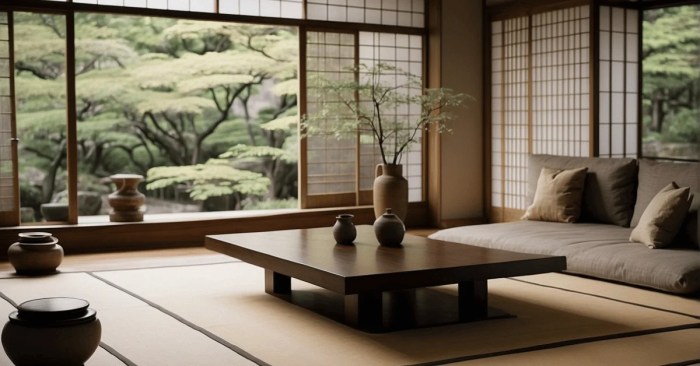
Embark on a captivating exploration of Japanese minimalist interior design guide, where simplicity meets elegance in a harmonious blend. Discover the essence of this design philosophy that embraces nature, light, and tranquility.
Delve into the key principles, elements, furniture, decor, lighting, and ambiance that define the art of Japanese minimalist interior design.
Understanding Japanese Minimalist Interior Design
Japanese minimalist interior design focuses on simplicity, functionality, and the beauty of natural elements. Here are key principles to understand this design aesthetic:
Use of Natural Materials
In Japanese minimalist interiors, natural materials like wood and bamboo are prominently featured. These materials bring warmth, texture, and a sense of tranquility to the space. Wood is often left untreated or lightly finished to showcase its natural grain and color, creating a harmonious connection with nature.
Color Palette
The color palette in Japanese minimalist design is typically neutral and earthy tones such as beige, white, grey, and soft greens. These colors help create a calming and serene atmosphere, allowing the focus to remain on the simplicity of the design and the natural materials used.
By keeping the color scheme understated, the interior spaces feel open, airy, and uncluttered.
Elements of Japanese Minimalist Interior Design
Japanese minimalist interior design is characterized by simplicity, functionality, and a deep connection to nature. Let's explore some key elements that define this aesthetic:
The Concept of “Ma”
In Japanese minimalist design, the concept of "Ma" refers to the importance of empty space or negative space. It is the space between objects, elements, and structures that allows for a sense of calm, balance, and harmony in the design.
"Ma" is not seen as empty or wasted space but rather as a vital component that enhances the overall composition.
Sliding Doors (Shoji) and Tatami Mats
Sliding doors, known as shoji, are a common feature in Japanese minimalist interiors. These doors are made of translucent paper or glass panels set in a wooden frame, allowing natural light to filter through and creating a sense of openness.
Tatami mats, made of rice straw and covered with woven rush, are used as flooring in traditional Japanese homes. They add warmth and texture to the space while also defining areas for different activities.
Nature and Natural Light
In Japanese minimalist design, the incorporation of nature and natural light is essential. Large windows, skylights, and open floor plans are often used to bring the outdoors in and create a seamless connection with the surrounding environment. Natural materials such as wood, stone, and bamboo are favored to create a sense of tranquility and organic beauty in the space.
Furniture and Decor in Japanese Minimalist Interior Design
Japanese minimalist interior design focuses on simplicity, functionality, and a sense of tranquility. When it comes to furniture and decor, certain essential pieces are key to achieving this aesthetic.
Essential Furniture Pieces
In a Japanese minimalist interior, furniture is kept to a minimum to create an open and uncluttered space. Essential furniture pieces include low-profile beds, tatami mats, floor cushions, and simple wooden tables. These pieces are typically made from natural materials like wood and bamboo, reflecting the connection to nature that is central to Japanese design.
Decluttering and Organization
To maintain the minimalist look, it's important to declutter and organize spaces effectively. Utilize built-in storage solutions like hidden cabinets and drawers to keep belongings out of sight
Keep surfaces clear and create designated storage areas for everyday items to maintain a clean and organized space.
Incorporating Traditional Japanese Elements
To add a touch of traditional Japanese charm to your minimalist interior, consider incorporating elements like bonsai trees or ikebana arrangements. Bonsai trees symbolize harmony, balance, and nature, adding a sense of tranquility to the space. Ikebana, the art of Japanese flower arranging, can be displayed in simple vases to bring a pop of color and elegance to the room.
These traditional elements further enhance the connection to nature and simplicity that define Japanese minimalist design.
Lighting and Ambiance in Japanese Minimalist Interior Design
Lighting plays a crucial role in creating ambiance in Japanese minimalist spaces. It is essential to achieve a serene and tranquil atmosphere through the careful use of lighting choices.
Use of Indirect Lighting and Paper Lanterns
In Japanese minimalist interiors, indirect lighting is preferred over harsh overhead lights. This softer, more diffused lighting helps to create a warm and inviting atmosphere. Paper lanterns, known as "akari," are commonly used in Japanese design to add a touch of traditional elegance.
These lanterns emit a gentle glow that enhances the overall ambiance of the space.
Tips for Achieving Serenity Through Lighting Choices
- Avoid bright, direct lighting and opt for soft, indirect sources instead.
- Consider incorporating dimmer switches to control the intensity of the light and create different moods.
- Use natural light whenever possible by strategically placing windows and skylights to let in sunlight.
- Choose light fixtures with simple, clean lines that complement the minimalist aesthetic of the space.
- Experiment with different light temperatures, such as warm or cool whites, to find the perfect balance for a calming atmosphere.
Closing Notes
As we conclude this insightful discussion on Japanese minimalist interior design guide, immerse yourself in a world where minimalism speaks volumes and serenity reigns supreme. Let the essence of Japanese design inspire your living spaces with a touch of tranquility and beauty.
FAQs
How can I incorporate natural materials into Japanese minimalist interiors?
Natural materials like wood and bamboo can be integrated through furniture, flooring, and decor elements to enhance the minimalist aesthetic.
What is the significance of "Ma" in Japanese minimalist design?
"Ma" refers to the concept of negative space that creates a sense of harmony and balance in Japanese minimalist interiors.
How can I achieve a serene ambiance through lighting choices?
Opt for indirect lighting and paper lanterns to create a soft, soothing glow that complements the minimalist design principles.