

Smart Interior Upgrades for Energy-Efficient Homes: Illuminating the Path to Sustainability
Share this:
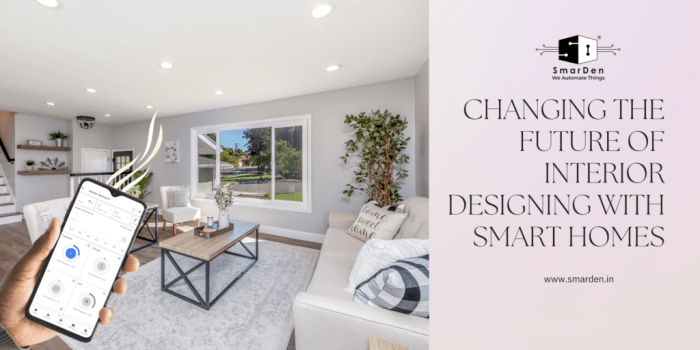
As Smart interior upgrades for energy-efficient homes takes center stage, this opening passage beckons readers with casual formal language style into a world crafted with good knowledge, ensuring a reading experience that is both absorbing and distinctly original.
When it comes to creating an energy-efficient home, smart interior upgrades play a crucial role in not only reducing utility bills but also minimizing environmental impact. From smart lighting to renewable energy solutions, these upgrades offer practical ways to enhance both comfort and sustainability within your living space.
Let's delve deeper into the realm of smart interior upgrades for energy-efficient homes.
Smart Lighting Upgrades
When it comes to energy-efficient homes, smart lighting upgrades play a crucial role in reducing electricity consumption while enhancing convenience and comfort.
Energy-Efficient Lighting Options
- LED Bulbs: LED bulbs are highly energy-efficient and have a longer lifespan compared to traditional incandescent bulbs.
- CFL Bulbs: Compact Fluorescent Lamps (CFLs) are another energy-saving option that provides bright light while using less energy.
- Smart Light Bulbs: Smart bulbs can be controlled remotely through a smartphone app, allowing you to adjust brightness levels and schedules to save energy.
Impact of Smart Lighting Systems
Smart lighting systems can significantly reduce energy consumption by automatically adjusting brightness levels based on natural light availability or occupancy in a room. This ensures that lights are only on when needed, leading to lower electricity bills.
Incorporating Automated Lighting for Efficiency
- Install Motion Sensors: Motion sensors can detect movement in a room and turn the lights on or off accordingly, preventing unnecessary energy wastage.
- Use Timers: Set timers on smart light bulbs to automatically switch off lights at specific times, such as bedtime or when leaving the house.
- Integrate with Smart Home Systems: Connect your lighting system with a smart home hub to create custom schedules and scenes that optimize energy usage throughout the day.
Energy-Efficient Appliances
When it comes to creating an energy-efficient home, upgrading to energy-efficient appliances is a key component. These appliances are designed to consume less energy compared to traditional ones, resulting in cost savings and a reduced carbon footprint.
Key Energy-Efficient Appliances
Energy-efficient appliances come in various forms, but some of the key ones to consider for a smart home include:
- Energy Star certified refrigerators
- High-efficiency washing machines
- Induction cooktops
- Smart thermostats
Comparison of Traditional vs. Energy-Efficient Appliances
When comparing traditional appliances with energy-efficient ones, the main difference lies in their energy consumption. Energy-efficient appliances are designed to be more energy-efficient, resulting in significant energy savings over time. For example, Energy Star certified refrigerators use 15% less energy than non-certified models, and high-efficiency washing machines can save up to 50% on energy usage.
Benefits of Upgrading to Energy-Efficient Appliances
Upgrading to energy-efficient appliances offers a range of benefits, including:
- Reduced energy bills
- Lower carbon footprint
- Long-term cost savings
- Enhanced performance and features
Smart Thermostat Installation
Installing a smart thermostat is a crucial step towards achieving energy efficiency in your home. These devices help regulate temperature effectively, leading to reduced energy consumption and lower utility bills.
Importance of Smart Thermostats
- Smart thermostats can learn your household's heating and cooling patterns, adjusting the temperature accordingly to optimize energy usage.
- By allowing remote access through mobile apps, smart thermostats enable you to control your home's temperature even when you're away, preventing unnecessary energy wastage.
- With features like geofencing and occupancy sensors, smart thermostats can automatically adjust settings based on your presence, further enhancing energy efficiency.
Step-by-Step Guide for Installation and Setup
- Turn off power to your HVAC system before starting the installation process to ensure safety.
- Remove your old thermostat carefully, noting the wire labels for reference during installation of the new device.
- Follow the manufacturer's instructions to connect the wires properly to the corresponding terminals on the smart thermostat.
- Secure the smart thermostat to the wall and restore power to your HVAC system to complete the installation.
- Download the necessary app and follow the setup instructions to connect your smart thermostat to your home network and personalize settings.
- Utilize the features offered by the smart thermostat, such as scheduling, temperature presets, and energy usage tracking, to maximize energy efficiency.
Window Treatments for Energy Efficiency
Window treatments play a crucial role in maintaining energy-efficient homes by helping to regulate indoor temperature, reduce heat transfer, and minimize the need for excessive heating or cooling. Choosing the right window treatments can significantly impact energy savings and overall comfort in a home.
Types of Window Treatments for Energy Efficiency
- Insulated Curtains: These thick curtains are designed to provide insulation by trapping heat inside during winter and blocking out sunlight during summer, reducing the workload on heating and cooling systems.
- Honeycomb Shades: Also known as cellular shades, these window treatments feature a unique honeycomb design that creates air pockets for added insulation, helping to maintain consistent indoor temperatures.
- Solar Shades: These shades are designed to block out harmful UV rays and reduce solar heat gain, while still allowing natural light to enter the room, decreasing the need for artificial lighting.
- Window Films: Transparent films can be applied to windows to reduce heat gain in the summer and heat loss in the winter, improving overall energy efficiency.
Tips for Choosing the Right Window Treatments
- Consider the climate of your area and the orientation of your windows to determine the most suitable window treatments for your home.
- Look for window treatments with high R-values, which indicate better insulation properties and energy efficiency.
- Choose light-colored window treatments to reflect sunlight and heat during hot weather, and darker colors to absorb heat during colder months.
- Opt for adjustable window treatments that allow you to control the amount of natural light and heat entering your home throughout the day.
Renewable Energy Solutions
Renewable energy solutions, such as solar panels, offer homeowners a sustainable way to power their homes while reducing their carbon footprint and energy bills. Integrating renewable energy sources into home design can provide numerous benefits, including long-term cost savings, energy independence, and a reduced environmental impact.
Solar Panels for Homes
- Solar panels harness the power of the sun to generate electricity for your home, reducing reliance on traditional utility providers.
- By installing solar panels, homeowners can take advantage of federal and state incentives, tax credits, and rebates, making the initial investment more affordable.
- With advancements in technology, solar panels are becoming more efficient and cost-effective, allowing homeowners to generate their own clean energy on-site.
- Solar panels can increase the value of your home and appeal to eco-conscious buyers if you decide to sell in the future.
Closure
In conclusion, smart interior upgrades for energy-efficient homes offer a blend of innovation and eco-consciousness, paving the way for a greener future. By incorporating these upgrades into your home, you not only benefit from increased energy savings but also contribute to a more sustainable planet.
Embrace the power of smart technology and design to transform your living space into a beacon of energy efficiency and environmental stewardship.
Questions and Answers
How can smart lighting upgrades impact energy consumption?
Smart lighting systems use LED technology and automation to optimize energy usage, leading to significant savings on electricity bills.
What are the benefits of upgrading to energy-efficient appliances?
Energy-efficient appliances consume less energy, reduce utility costs, and contribute to a more sustainable living environment.
Why is a smart thermostat important for energy efficiency?
A smart thermostat can intelligently regulate temperature settings, ensuring efficient use of energy and enhancing comfort levels in the home.
How do window treatments contribute to energy efficiency?
Properly selected window treatments provide insulation, preventing heat loss in winter and heat gain in summer, thereby reducing the need for heating and cooling.
Are renewable energy solutions like solar panels cost-effective for homeowners?
While the initial investment may be higher, over time, renewable energy solutions like solar panels can lead to substantial savings on energy bills and increase the value of the property.