

Illuminate Your Space: Interior Lighting Ideas to Enhance Mood and Space
Share this:
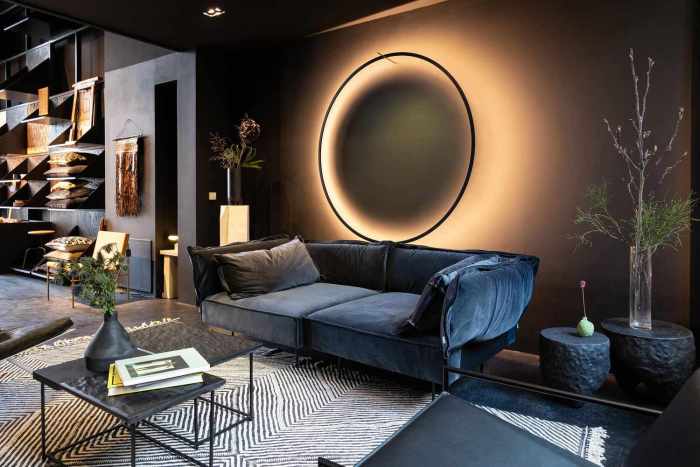
Step into a world where the right lighting can transform a room into a haven of relaxation or a vibrant space for productivity. Let's explore how interior lighting ideas can play a pivotal role in setting the mood and maximizing the space in your home.
Delve into the nuances of different lighting types, fixtures, and color temperatures to curate an ambiance that suits your style and enhances your living experience.
Importance of Interior Lighting
Interior lighting plays a crucial role in setting the mood and atmosphere of a space while also affecting the perception of size and functionality. The right lighting can transform a room from dull and uninspiring to cozy and inviting.
Types of Interior Lighting
- Ambient Lighting: This general, overall lighting illuminates the entire room, providing a comfortable level of brightness for daily activities.
- Task Lighting: Task-specific lighting, such as desk lamps or under-cabinet lights, helps in performing activities like reading, cooking, or working with precision.
- Accent Lighting: Used to highlight specific features like artwork, architectural details, or plants, accent lighting adds depth and visual interest to a room.
- Natural Lighting: Harnessing natural light through windows, skylights, or sun tunnels not only reduces energy costs but also enhances the connection to the outdoors.
Significance of Lighting Design
Lighting design is an essential element in interior decor as it can significantly impact the aesthetics and functionality of a space. Properly designed lighting can create focal points, highlight textures, and transform the overall look and feel of a room.
By strategically combining different types of lighting, designers can enhance the ambiance and make a room more versatile and inviting.
Types of Interior Lighting
When it comes to interior lighting, there are three main types that are commonly used to enhance the mood and functionality of a space: ambient, task, and accent lighting.
Ambient Lighting
Ambient lighting provides overall illumination to a room, creating a comfortable and inviting atmosphere. This type of lighting is usually achieved through ceiling-mounted fixtures, chandeliers, or wall sconces. Ambient lighting helps to evenly light up a space without creating harsh shadows, making it ideal for living rooms, bedrooms, and dining areas.
Task Lighting
Task lighting is focused on providing light for specific activities such as reading, cooking, or working. This type of lighting is typically found in the form of desk lamps, under-cabinet lights, or pendant lights. Task lighting helps to increase visibility and reduce eye strain, making it essential for areas like home offices, kitchens, and study areas.
Accent Lighting
Accent lighting is used to highlight specific features or create visual interest in a room. This type of lighting can be achieved with track lighting, wall-mounted fixtures, or recessed lights. Accent lighting adds depth and dimension to a space, drawing attention to artwork, architectural details, or decorative elements.
Lighting Fixtures and Placement
When it comes to enhancing the mood and space in your home, choosing the right lighting fixtures and placing them strategically is key. The type of fixtures you choose and where you place them can make a significant impact on the overall atmosphere of a room.
Choosing the Right Lighting Fixtures
- Consider the function of the room: Different rooms have different lighting needs. For example, a bright overhead light might be suitable for a kitchen, while a softer, more ambient light might be better for a bedroom.
- Match the style of the room: The lighting fixtures you choose should complement the overall style and decor of the room. Whether you prefer modern, traditional, or eclectic, there are lighting options available to suit every aesthetic.
- Think about the size of the room: Larger rooms may require multiple light sources to adequately illuminate the space, while smaller rooms may only need one well-placed fixture.
Importance of Proper Placement
Proper placement of lighting fixtures can truly maximize their effect and transform the look and feel of a room. Here are some tips for placing lighting fixtures effectively:
- Use a combination of lighting: Incorporating various types of lighting, such as overhead lights, task lighting, and accent lighting, can create depth and dimension in a room.
- Avoid harsh shadows: Placing lights at different levels and angles can help to minimize harsh shadows and create a more inviting atmosphere.
- Highlight focal points: Use lighting fixtures to draw attention to key features in a room, such as artwork, architectural details, or furniture pieces.
Creative Ways to Enhance Mood and Space
- Install dimmer switches: Dimmer switches allow you to adjust the brightness of lighting fixtures, giving you the flexibility to create different moods in a room.
- Use wall sconces: Wall sconces can add a touch of elegance and sophistication to any space, while also providing ambient lighting that is flattering and soft.
- Utilize floor lamps: Floor lamps are a versatile lighting option that can be easily moved around to change the look and feel of a room. They can also serve as decorative elements in their own right.
Lighting Color Temperature and Brightness
Color temperature refers to the warmth or coolness of light, measured in Kelvin (K). Warmer tones (around 2700K-3000K) create a cozy and inviting atmosphere, while cooler tones (4000K and above) are more energizing and can mimic natural daylight. The choice of color temperature can greatly impact the mood and ambiance of a space.
Adjusting Brightness Levels
By adjusting the brightness levels of your lighting fixtures, you can change the perception of space. Dimmer lights can create a more intimate and relaxed setting, while brighter lights can make a room feel more open and spacious. Finding the right balance of brightness is key to enhancing the functionality and aesthetics of a room.
Using Color Temperature and Brightness to Create Specific Moods
In different areas of a home, you can use color temperature and brightness to create specific moods. For example, in the living room, warm lighting with dimmer levels can promote a cozy and relaxing atmosphere for unwinding in the evening.
In the kitchen, cooler and brighter lighting can enhance visibility and productivity for cooking tasks. By strategically combining color temperature and brightness, you can tailor the lighting to suit the function and mood of each space in your home.
Last Point
From creating cozy corners with warm ambient lighting to highlighting architectural features with accent lights, the possibilities are endless. Elevate your space with these interior lighting ideas and bask in the glow of a well-lit, inviting environment.
Top FAQs
How does color temperature affect the mood of a room?
Color temperature can evoke different emotions - warmer tones create a cozy atmosphere, while cooler tones promote a sense of openness and clarity.
What are some creative ways to place lighting fixtures to enhance space?
You can use wall sconces to create visual interest, or strategically place floor lamps to brighten up dark corners and expand the perceived size of a room.
Why is proper placement of lighting fixtures important?
Correct placement ensures even illumination, prevents glare, and highlights key features in a room, enhancing its overall aesthetic appeal.