

Interior design tips for sustainable living: Creating Eco-Friendly Spaces
Share this:
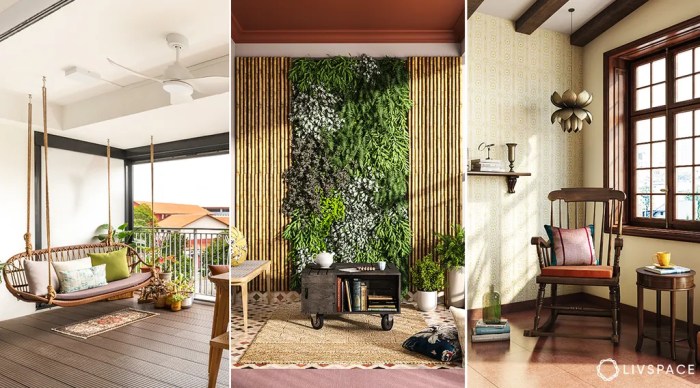
Embark on a journey towards sustainable living with these interior design tips that not only enhance the aesthetics of your space but also contribute positively to the environment. From choosing eco-friendly materials to optimizing energy-efficient lighting, this guide covers it all.
Importance of Sustainable Interior Design
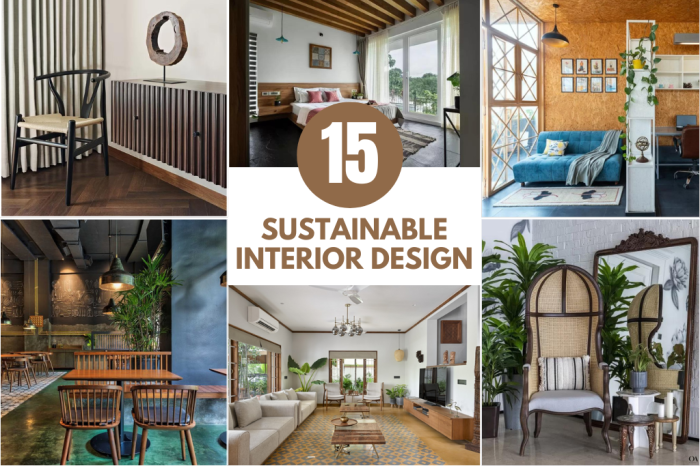
When it comes to interior design, incorporating sustainability is crucial in today's world. Not only does it help reduce our carbon footprint, but it also promotes a healthier environment for all.
Positive Impact on the Environment
- Using eco-friendly materials like bamboo, reclaimed wood, or recycled glass can significantly reduce the demand for new resources.
- Opting for energy-efficient appliances and lighting fixtures can lower energy consumption and decrease greenhouse gas emissions.
- Implementing proper insulation and ventilation systems can reduce the need for heating and cooling, leading to lower energy bills and less strain on the environment.
Long-Term Benefits of Sustainable Interior Design
- Choosing durable materials over disposable ones can prolong the lifespan of the furniture and finishes, reducing waste and the need for frequent replacements.
- Improving indoor air quality by using non-toxic paints, sealants, and furniture can promote better health for occupants and contribute to a more sustainable living environment.
- Creating spaces that are designed with sustainability in mind can increase property value and appeal to eco-conscious buyers in the future.
Sustainable Materials and Finishes
When it comes to sustainable interior design, choosing the right materials and finishes is crucial to reduce environmental impact and create a healthier living space.
Eco-Friendly Materials
There are several eco-friendly materials commonly used in sustainable interior design, such as:
- Bamboo: A fast-growing and renewable resource that can be used for flooring, furniture, and decor items.
- Reclaimed wood: Salvaged from old buildings or furniture, giving a second life to materials and reducing the demand for new wood.
- Cork: Sustainable and renewable material harvested from the bark of cork oak trees, ideal for flooring and wall coverings.
- Recycled glass: Used in countertops, tiles, and decorative accents, reducing the need for new glass production.
Durability and Environmental Impact
When comparing sustainable materials to traditional ones, it's important to consider both durability and environmental impact. Sustainable materials are often more durable and long-lasting, reducing the need for frequent replacements and saving resources in the long run. Additionally, sustainable materials have a lower environmental impact as they are sourced responsibly and produced using eco-friendly practices.
Tips for Selecting Sustainable Finishes
When choosing finishes for furniture, flooring, and decor items, consider the following tips:
- Look for certifications: Products with certifications like FSC (Forest Stewardship Council) or Cradle to Cradle ensure they meet strict sustainability criteria.
- Avoid toxic chemicals: Opt for finishes that are low-VOC (volatile organic compounds) to improve indoor air quality and reduce health risks.
- Choose natural and renewable materials: Opt for finishes made from natural materials like wool, cotton, or linen, which are biodegradable and sustainable.
- Support local artisans: Buying from local craftsmen promotes sustainability by reducing transportation emissions and supporting the local economy.
Energy-Efficient Lighting and Appliances
When it comes to sustainable interior design, energy-efficient lighting and appliances play a crucial role in reducing energy consumption and minimizing environmental impact.
Importance of Energy-Efficient Lighting
Energy-efficient lighting not only helps to lower electricity bills but also reduces greenhouse gas emissions. By using LED bulbs or CFLs, you can save energy and create a more eco-friendly living space.
Benefits of Energy Star-rated Appliances
- Energy Star-rated appliances are designed to consume less energy, saving you money in the long run.
- These appliances help reduce carbon emissions and contribute to a healthier environment.
- By choosing Energy Star-rated appliances, you are investing in high-quality products that are built to last.
Optimizing Natural Light and Reducing Energy Consumption
Maximizing natural light in your home not only reduces the need for artificial lighting but also creates a more pleasant and welcoming atmosphere. Here are some tips to optimize natural light and reduce energy consumption:
- Use light-colored curtains or blinds to allow natural light to enter the room.
- Place mirrors strategically to reflect natural light and brighten up the space.
- Consider installing skylights or solar tubes to bring in more natural light during the day.
- Utilize dimmer switches or timers to control artificial lighting and reduce energy usage when not needed.
Indoor Air Quality and Plant Integration
Indoor air quality is crucial for a healthy and sustainable living environment. One effective way to improve air quality is by integrating plants into interior design. Not only do plants add aesthetic appeal, but they also act as natural air purifiers, absorbing harmful toxins and releasing oxygen into the air.
Role of Indoor Plants in Improving Air Quality
Indoor plants play a significant role in improving air quality by filtering out pollutants and toxins present in the air. They can help remove harmful compounds such as formaldehyde, benzene, and trichloroethylene. Plants absorb these toxins through their leaves and roots, effectively cleaning the air and creating a healthier indoor environment.
Air-Purifying Plants for Indoor Spaces
- Snake Plant (Sansevieria trifasciata)
- Spider Plant (Chlorophytum comosum)
- Aloe Vera (Aloe barbadensis miller)
- Peace Lily (Spathiphyllum)
- Boston Fern (Nephrolepis exaltata)
Strategies for Integrating Plants into Interior Design
- Use hanging planters to save space and add a touch of greenery to high areas.
- Group different plants together to create a visually appealing indoor garden.
- Place plants near windows to ensure they get enough natural light for photosynthesis.
- Incorporate plants of varying sizes and shapes to add dimension to your interior design.
- Consider using plant stands or shelves to showcase your plant collection and create a green focal point in the room.
Last Recap
As we conclude our discussion on interior design tips for sustainable living, remember that small changes in your living space can have a big impact on the planet. By incorporating these tips, you can create a beautiful and environmentally-friendly home.
Detailed FAQs
How can sustainable interior design benefit the environment?
By using eco-friendly materials and practices, sustainable interior design reduces the carbon footprint of your living space and promotes a healthier environment.
What are some common eco-friendly materials used in sustainable interior design?
Materials such as bamboo, reclaimed wood, and recycled glass are popular choices for sustainable interior design due to their minimal environmental impact.
Why is indoor air quality important in sustainable living spaces?
Indoor air quality affects our health and well-being. By integrating air-purifying plants and proper ventilation, sustainable homes can provide cleaner and healthier indoor air.