

Interior trends for remote workspaces at home: A Guide to Creating a Productive and Stylish Home Office
Share this:
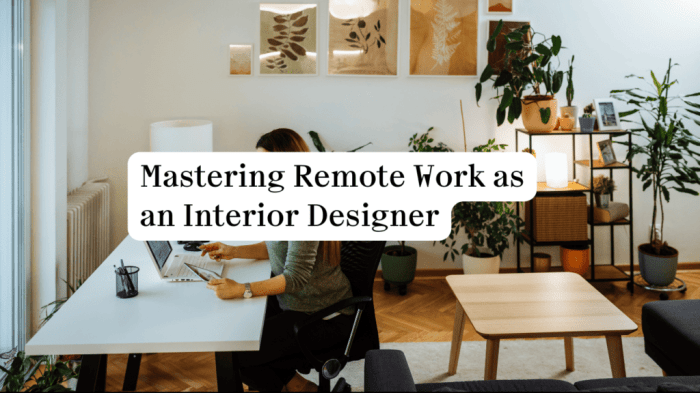
As Interior trends for remote workspaces at home takes center stage, this opening passage beckons readers into a world crafted with good knowledge, ensuring a reading experience that is both absorbing and distinctly original.
In today's digital age, the concept of working from home has become more prevalent than ever. With this shift, the design of home workspaces has evolved to prioritize functionality, comfort, and productivity. This guide explores the latest trends in interior design specifically tailored for remote workspaces, providing insights into creating a space that is both aesthetically pleasing and conducive to work.
Current Trends in Home Workspace Design
With the rise of remote work, the design of home workspaces has become more crucial than ever. Let's explore the latest interior design trends tailored for remote workspaces that prioritize functionality, comfort, and productivity.
Popular Color Schemes
Color schemes play a significant role in setting the tone for a productive workspace. Currently, neutral tones such as soft greys, blues, and greens are trending for home offices. These colors create a calming environment that promotes focus and concentration.
Furniture Styles
When it comes to furniture styles for home workspaces, minimalistic and ergonomic designs are gaining popularity. Sleek desks with ample storage space, adjustable chairs for comfort, and multifunctional furniture pieces that maximize space efficiency are all the rage.
Decor Elements
Incorporating decor elements that inspire creativity and motivation is key in modern home office design. Indoor plants, motivational wall art, personalized accessories, and proper lighting fixtures are all trending decor elements that add personality and charm to remote workspaces.
Ergonomic Furniture and Layout for Remote Workspaces
Creating a comfortable and healthy home office environment is crucial for remote workers, and ergonomic furniture plays a key role in achieving this goal. Ergonomic furniture is designed to support the body in a way that reduces strain and promotes proper posture, ultimately enhancing productivity and well-being.
Importance of Ergonomic Furniture
Investing in ergonomic furniture such as chairs, desks, and accessories can make a significant difference in your work environment. Here are some examples of ergonomic furniture ideal for remote workspaces:
- Ergonomic chairs with lumbar support, adjustable height, and armrests to maintain proper posture and reduce back pain.
- Height-adjustable desks that allow you to alternate between sitting and standing, promoting movement and reducing sedentary behavior.
- Monitor stands and keyboard trays to position your computer at eye level and maintain a neutral wrist position, preventing strain and discomfort.
Optimal Furniture Layout
The layout of your workspace can impact your productivity and well-being. Consider the following tips for arranging your furniture in an optimal way:
- Place your desk near natural light sources to reduce eye strain and boost mood.
- Position your chair so that your feet are flat on the floor and your knees are at a 90-degree angle, promoting proper posture.
- Keep frequently used items within arm's reach to minimize repetitive movements and strain.
Incorporating Natural Elements in Home Offices
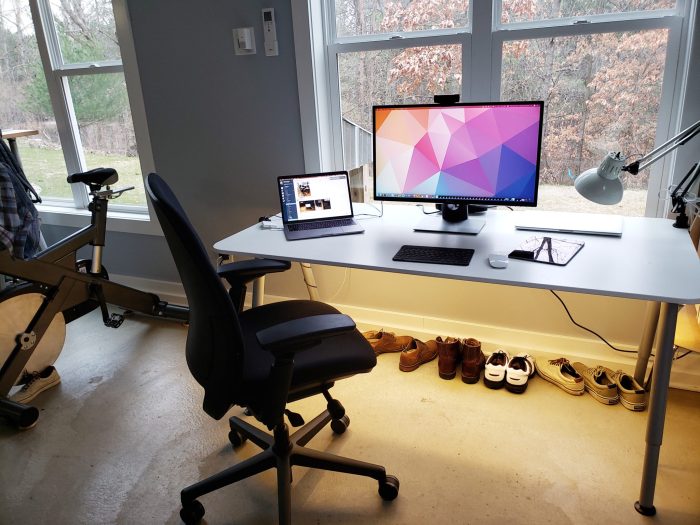
Integrating natural elements like plants, natural light, and organic materials in home office design can have numerous benefits for remote workers. Not only do these elements add aesthetic appeal, but they also contribute to creating a calming and inspiring workspace that can boost productivity and overall well-being.
Bringing Nature Indoors
One way to bring nature indoors is by incorporating indoor plants into your home office. Plants not only add a pop of greenery but also help improve air quality and reduce stress levels. Consider placing a variety of plants such as succulents, ferns, or peace lilies to create a more vibrant workspace.
Utilizing Natural Light
Natural light is essential for creating a bright and inviting workspace. Position your desk near a window to maximize natural light exposure during the day. Additionally, consider using sheer curtains or blinds to control the amount of light entering the room while still allowing for a connection to the outdoors.
Embracing Organic Materials
Incorporating organic materials such as wood, bamboo, or stone into your home office design can add a touch of nature and warmth to the space. Opt for wooden furniture, bamboo flooring, or stone accents to create a harmonious and natural environment that promotes relaxation and focus.
Impact of Biophilic Design
Biophilic design, which focuses on connecting people with nature, has been shown to have a positive impact on mental health, focus, and creativity in remote work environments. By integrating natural elements into your home office, you can create a workspace that promotes overall well-being and productivity.
Personalization and Customization of Home Workspaces
Personalizing and customizing home workspaces is crucial in creating a conducive environment that reflects individual preferences and work habits. It allows individuals to feel more comfortable, motivated, and productive while working from home.
Tips for Customizing Workspaces
Here are some tips on how to personalize and customize your home workspace:
- Choose decor items that inspire you, such as motivational quotes, artwork, or plants.
- Incorporate colors that you find calming or energizing to create a positive atmosphere.
- Add personal touches like photos, souvenirs, or items that hold sentimental value.
- Organize your workspace in a way that suits your workflow and preferences, such as having easy access to essential tools and supplies.
Benefits of a Personalized Workspace
A personalized workspace can have several advantages for remote workers:
- Boosted Motivation:Surrounding yourself with items that inspire you can increase motivation and focus.
- Enhanced Creativity:A personalized space can stimulate creativity and innovative thinking.
- Improved Well-being:Creating a space that reflects your personality and preferences can contribute to overall well-being and reduce stress.
Final Thoughts
In conclusion, interior trends for remote workspaces at home offer a blend of practicality and style, aiming to enhance your work-from-home experience. By incorporating ergonomic furniture, natural elements, and personal touches, you can transform your home office into a productive sanctuary that reflects your unique personality and work preferences.
Embrace these trends to create a workspace that inspires creativity and supports your well-being in the comfort of your own home.
FAQs
How important is ergonomic furniture for a home office?
Ergonomic furniture is crucial for maintaining comfort and promoting good posture during long work hours. Investing in quality ergonomic chairs and desks can significantly improve your overall well-being.
What are some popular color schemes for home workspaces?
Neutral tones like whites, greys, and earthy shades are commonly used in home offices to create a tranquil and focused environment. Accent colors can be added to inject personality and vibrancy into the space.
How can natural elements enhance a home office?
Integrating natural elements such as plants and natural light can improve air quality, reduce stress, and boost creativity. They create a harmonious and calming atmosphere conducive to productivity.