

Modern interior ideas for eco-conscious families: A Sustainable Approach to Home Design
Share this:
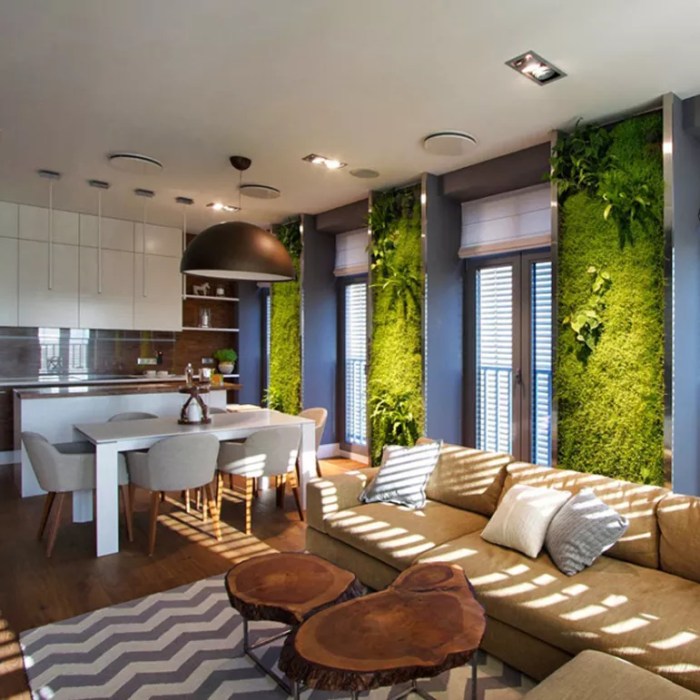
In the realm of home design, the focus on sustainability has become paramount. Modern interior ideas for eco-conscious families offer a unique blend of style and eco-friendly practices, creating living spaces that are not only visually appealing but also environmentally responsible.
Let's delve into the innovative ways in which eco-conscious families can transform their homes into sustainable sanctuaries.
Benefits of Modern Interior Design for Eco-Conscious Families
Modern interior design offers numerous benefits for eco-conscious families by incorporating sustainable practices and materials that align with environmentally friendly living. From the use of eco-friendly materials to energy-efficient lighting, modern interior design can significantly reduce a household's carbon footprint while creating a stylish and comfortable living space.
Key Elements of Modern Interior Design for Eco-Conscious Living
- Use of sustainable materials such as bamboo, reclaimed wood, and recycled glass to reduce environmental impact and promote responsible sourcing.
- Incorporation of natural elements like indoor plants and green walls to improve air quality and create a connection to the outdoors.
- Integration of smart home technology for energy monitoring, efficient heating and cooling, and automated systems that reduce energy consumption.
Importance of Energy-Efficient Lighting and Appliances in Eco-Friendly Homes
- Switching to LED or CFL light bulbs can significantly reduce energy usage and lower electricity bills, making it a cost-effective and sustainable lighting option.
- Investing in Energy Star-rated appliances ensures high energy efficiency, reducing greenhouse gas emissions and promoting eco-friendly practices in the home.
- Implementing smart lighting controls and sensors can further optimize energy usage by automatically adjusting lighting levels based on natural light and occupancy.
Eco-Friendly Furniture Choices for Modern Interiors
When it comes to furnishing modern interiors with an eco-conscious mindset, the choice of furniture plays a crucial role in sustainability and environmental impact. Let's explore the differences between traditional furniture and eco-friendly alternatives, along with some innovative designs that cater to eco-conscious families.
Traditional Furniture vs. Eco-Friendly Alternatives
Traditional furniture is often made from materials like particle board, plywood, and synthetic fabrics that can be harmful to the environment due to the manufacturing process and chemical treatments involved. On the other hand, eco-friendly furniture options utilize sustainable materials such as reclaimed wood, bamboo, cork, and organic cotton.
These materials are renewable, biodegradable, and have a lower carbon footprint, making them a more environmentally friendly choice.
- Reclaimed Wood: Furniture made from reclaimed wood not only reduces the demand for new timber but also gives a second life to old wood that would otherwise end up in a landfill.
- Bamboo: Known for its fast growth and renewability, bamboo is a popular choice for eco-friendly furniture due to its versatility and durability.
- Cork: Harvested from the bark of cork oak trees, cork is a sustainable material that is lightweight, water-resistant, and fire-retardant, making it ideal for furniture manufacturing.
- Organic Cotton: Free from synthetic pesticides and fertilizers, organic cotton is a healthier and more sustainable option for upholstery and bedding.
Innovative Furniture Designs for Eco-Conscious Families
Designers are constantly coming up with innovative furniture designs that not only look stylish but also prioritize sustainability and eco-friendliness. Examples include:
- Sustainable Modular Furniture: Modular pieces that can be reconfigured and adapted to different spaces, reducing the need for new furniture purchases.
- Biodegradable Furniture: Furniture made from biodegradable materials like mushroom mycelium or algae-based plastics that break down naturally at the end of their lifecycle.
- Upcycled Furniture: Repurposing old furniture or materials into new pieces, giving them a fresh look and extending their lifespan in a creative way.
Benefits of Upcycling and Repurposing Furniture
Upcycling and repurposing furniture offer several benefits for sustainable interior design:
- Reduces Waste: By giving old furniture a new purpose, upcycling helps divert waste from landfills and reduces the environmental impact of furniture disposal.
- Unique Designs: Upcycled furniture pieces often have a one-of-a-kind look, adding a touch of personality and creativity to the interior space.
- Cost-Effective: Repurposing furniture can be a budget-friendly option compared to buying new pieces, making sustainable design more accessible to eco-conscious families.
Integrating Indoor Plants into Modern Eco-Friendly Homes
Indoor plants not only add a touch of nature to modern interiors but also provide numerous benefits for eco-conscious families. They contribute to air purification, enhance the aesthetics of the space, and promote a sense of well-being.
Benefits of Indoor Plants for Eco-Friendly Homes
Indoor plants play a crucial role in air purification by absorbing toxins and releasing oxygen. They can help improve indoor air quality, reducing the presence of harmful chemicals and pollutants. Additionally, plants can increase humidity levels, which is beneficial for respiratory health.
Furthermore, having greenery indoors has been linked to lower stress levels and improved mood, creating a more harmonious living environment.
Selecting Low-Maintenance Indoor Plants
When choosing plants for modern eco-friendly homes, opt for low-maintenance varieties that thrive indoors. Some examples include pothos, snake plants, spider plants, and peace lilies. These plants require minimal care and can adapt well to indoor conditions, making them ideal choices for busy families looking to incorporate greenery into their homes.
Incorporating Plant Displays into Modern Interior Design
There are creative ways to integrate plant displays into modern interior design schemes. Consider using hanging planters to add a dynamic element to the space or creating a green wall with vertical planters. Mixing different plant sizes and shapes can create visual interest, while grouping plants together in clusters can make a bold statement.
Additionally, placing plants near natural light sources such as windows can help them thrive and contribute to the overall aesthetic of the space.
Smart Technology Solutions for Sustainable Living
In today's world, smart home technology plays a crucial role in helping eco-conscious families reduce energy consumption and waste. By integrating smart devices into modern interior design, families can create a more sustainable living environment that prioritizes environmental responsibility.
Smart Thermostats for Energy Efficiency
Smart thermostats are an excellent example of how technology can promote sustainability in homes. These devices can learn your heating and cooling preferences, adjust temperatures based on occupancy, and optimize energy usage to reduce waste. By efficiently managing heating and cooling systems, smart thermostats help families lower their energy consumption and carbon footprint.
Lighting Controls for Eco-Friendly Homes
Another smart technology solution for sustainable living is lighting controls. Smart lighting systems allow users to adjust brightness, color, and timing to maximize energy efficiency. By using LED bulbs and smart controls, families can reduce electricity usage and create a more eco-friendly lighting design in their homes.
Home Automation Systems for Convenience and Sustainability
Home automation systems offer a comprehensive solution for eco-conscious families, integrating various smart devices to enhance convenience and sustainability. These systems can control lighting, thermostats, security cameras, and other appliances to optimize energy usage and reduce waste. By automating daily tasks and monitoring energy consumption, families can achieve a more eco-friendly lifestyle without compromising on comfort.
Ending Remarks
As we conclude our exploration of modern interior ideas for eco-conscious families, it's evident that the synergy between design and sustainability is key in creating harmonious living spaces. By embracing eco-friendly practices and incorporating modern design elements, families can truly make a positive impact on the environment while enjoying the beauty of their homes.
FAQ Overview
How can I incorporate sustainable materials into modern interior design?
To incorporate sustainable materials into modern interior design, opt for items made from reclaimed wood, bamboo, recycled glass, or other eco-friendly materials that have minimal environmental impact.
What are some examples of smart devices that promote sustainability in modern interior design?
Examples of smart devices include energy-efficient thermostats, smart lighting systems that adjust based on natural light, and home automation systems that optimize energy usage.
How can indoor plants benefit modern eco-friendly homes?
Indoor plants help purify the air, add a touch of nature to the space, and contribute to a healthier indoor environment for eco-conscious families.